



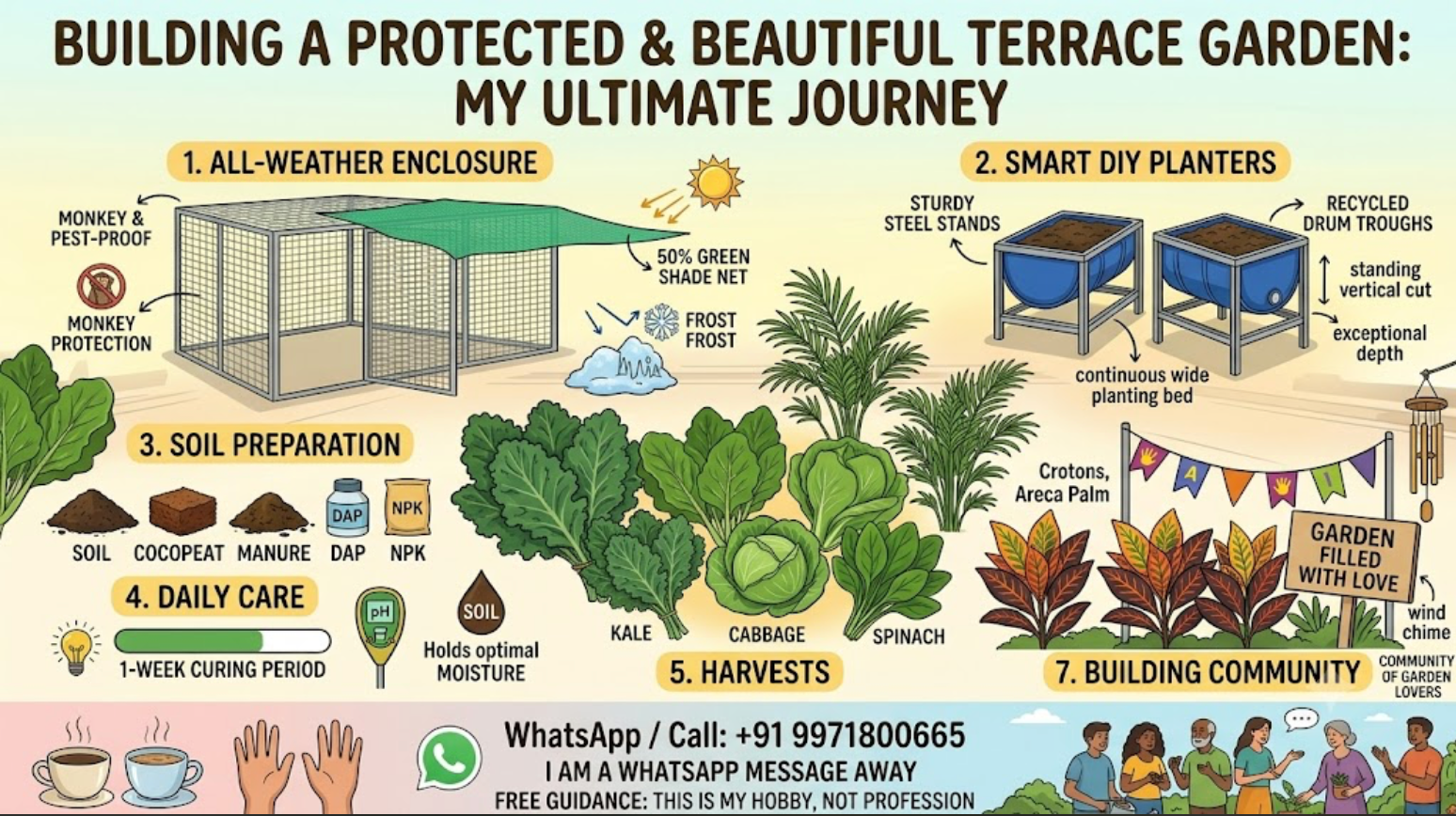
Step by Step Guide
Having a lush green garden and growing your own fresh, organic vegetables at home is one of the most rewarding experiences you can cultivate in modern urban living. As cities become increasingly concrete-dominated, turning an open rooftop or terrace into a thriving food sanctuary and decorative haven brings unmatched peace, health benefits, and satisfaction. However, terrace gardening comes with its own unique set of environmental and logistical challenges. Unwanted visits from local wildlife such as monkeys and birds can ruin months of hard work overnight. Extreme seasonal weather conditions, ranging from scorching summer sun rays to freezing winter frost and direct dew, can easily stress or destroy tender young saplings.
To solve these persistent problems permanently, I set out to design and construct a durable, all-weather, and completely pest-proof terrace garden setup. By combining clever engineering, recycled materials, optimal soil preparation, and thoughtful landscaping, I transformed a plain rooftop into a high-yielding, visually stunning green retreat. Here is a comprehensive, step-by-step breakdown of how I built this entire setup from the ground up, how you can replicate it, and the principles that make it thrive day after day.
1. Safety First: Designing the Full Iron Cage Enclosure
The foundation of any successful outdoor urban garden is protection. In many residential areas, open rooftop gardens are extremely vulnerable to birds pecking at fresh shoots and monkeys uprooting plants or devouring produce before it ripens. Standard bird nets often tear easily, tangle up, or fail to withstand heavy wind gusts and agile animals.
To address this challenge once and for all, I decided to enclose the entire garden area inside a heavy-duty, custom-built iron cage structure.
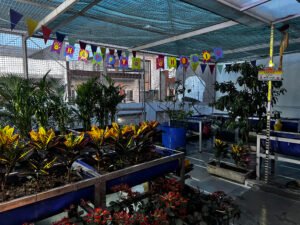
Key Features of the Cage Enclosure:
-
Structural Durability: Constructed using a solid iron frame fitted with high-density wire mesh, the structure creates a strong physical boundary that resists strong winds and heavy weather.
-
Complete Pest Security: The mesh grid size was specifically chosen to prevent monkeys, stray animals, and larger birds from entering or reaching through to disturb the crops.
-
Unobstructed Sunlight and Airflow: Despite offering total physical protection, the open-mesh design allows maximum cross-ventilation and natural sunlight to penetrate freely, keeping the plants healthy and vigorous.
-
Peace of Mind: With this physical barrier in place, there is no need to worry about constant monitoring or coming upstairs to find destroyed plants. The garden remains fully protected twenty-four hours a day.
2. Smart Engineering: Custom Steel Stands and Half-Cut Drum Planters
Once the perimeter security was established, the next challenge was choosing the right containers for planting. Traditional ceramic or terracotta pots are heavy, prone to cracking over time, difficult to move, and often leave ugly water stains on the roof floor. Conventional plastic pots can degrade under intense UV rays and rarely provide enough depth for substantial vegetable root systems.
To overcome these issues, I designed an innovative DIY planter system using elevated steel stands and recycled industrial plastic drums. Inside this protective cage structure, custom steel frames raise the half-cut plastic drum planters off the concrete terrace floor, creating a clean, organized, and elevated growing platform.
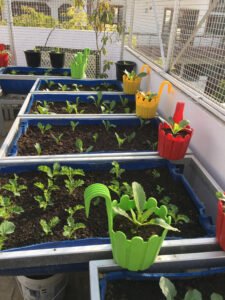
Steps to Build the Elevated Drum Trough System:
-
Fabricating Custom Steel Stands: I had custom steel frame stands engineered to elevate the planters off the ground. Raising the containers serves two critical purposes: it eliminates direct heat transfer from the hot terrace floor to the plant roots, and it allows easy cleaning and drainage maintenance underneath without accumulating trapped moisture on the roof slab.
-
Preparing the Plastic Drums: I sourced large, heavy-duty blue plastic drums. Using power tools, each drum was sliced vertically down the middle in a clean standing cut, dividing it into two identical, deep, trough-like halves. Drainage holes were drilled along the bottom curves of each half to ensure excess water could run off freely, preventing root rot.
-
Assembling the Planter Bed: These half-drums were then fitted securely inside the steel frame stands. The resulting setup provides a wide, continuous planting bed with exceptional depth. This design is exceptionally durable, highly cost-effective compared to commercial planter boxes, UV-resistant, and provides ample soil volume for extensive root expansion.
3. Soil Preparation: Creating the Ultimate Nutrient-Rich Growing Medium
The success of any garden depends heavily on the quality of its soil. Raw topsoil or heavy clay soil from construction areas compacts easily, drains poorly, and lacks the aeration required for container-grown plants. Container gardening demands a lightweight, moisture-retentive, and nutrient-dense growing mix.
The Soil Recipe:
To build the ideal growing medium, I mixed key ingredients together in balanced proportions:
-
Base Garden Soil: Provides physical structure, essential mineral nutrients, and anchors plant root systems firmly.
-
Cocopeat: Added to keep the mix light and airy. Cocopeat retains moisture efficiently, reducing the overall frequency of watering required and preventing soil compaction over time.
-
Aged Cow Dung Manure (Gobar ki Khaad): Acts as a rich organic matter source, introducing beneficial soil microbes and providing steady, slow-release nutrition.
-
DAP (Di-Ammonium Phosphate): Supplies concentrated nitrogen and high levels of phosphorus, promoting strong root development and fast initial establishment of new saplings.
-
NPK Fertilizer: Added to balance the primary macronutrients (Nitrogen, Phosphorus, and Potassium), ensuring overall plant vigor, healthy stem development, and enhanced flowering and fruiting capacity.
The Essential 1-Week Curing Period:
After thoroughly blending the soil, cocopeat, manure, and fertilizers, I did not plant immediately. Instead, I filled the half-drum planters with the mix and left it undisturbed to cure for one full week.
This resting phase is crucial in gardening. It allows chemical fertilizers like DAP and NPK to break down and blend naturally with the organic manure and soil moisture. It prevents direct chemical burn on sensitive tender roots, stabilizes soil temperature, and allows beneficial microbial activity to begin before seeds or saplings are introduced.
4. Microclimate Management: 50% Green Shade Net Installation
Rooftops experience much harsher environmental conditions than ground-level gardens. Direct sunlight can scorch foliage during hot summers, while frost and cold dew during peak winter nights can freeze plant tissues.
To regulate these extreme temperatures, I installed a 50% transparency green shade net across the top of the iron frame enclosure.
Benefits of the Shade Net:
-
Summer Heat Relief: Filters out intense ultraviolet radiation and reduces ambient temperatures by several degrees during peak midday sun, preventing leaf scorch and soil dehydration.
-
Winter Dew and Frost Shield: Acts as an overhead blanket during cold nights, catching falling frost and direct dew that would otherwise cause cold damage or fungal diseases on tender foliage.
-
Optimal Sunlight Filtration: The 50% shade level strikes an ideal balance, providing enough filtered light for active photosynthesis while protecting delicate crops from light stress.
5. Plant Selection: What is Growing in the Garden?
With protective structural elements and rich soil prepared, I filled the garden space with a diverse mix of productive food crops and colorful ornamental foliage.
A. Fresh Organic Vegetables
The large capacity of the half-drum planters allowed me to cultivate a wide range of seasonal vegetables right at home:
-
Leafy Greens and Head Crops: I planted crops including nutritional kale, crisp cabbages, spinach, and various local seasonal leafy greens. The deep soil profile of the drum troughs allows these vegetables to produce large, healthy yields.
-
Railing and Hanging Planters: To maximize vertical space and add visual color around the perimeter, I hung bright yellow, red, and green plastic pots along the frame edges. These hold smaller herbs, companion plants, and young starters.
B. Decorative and Ornamental Landscaping
Gardening is as much about aesthetics and mental relaxation as it is about harvesting food. To transform the terrace into a relaxing sanctuary, I integrated decorative ornamental plants into the layout:
-
Foliage and Palms: Added striking, multi-colored Croton plants that feature bold red, yellow, and green foliage patterns, paired with lush Areca Palms for a tropical feel.
-
Flowering Varieties: Included potted flowering varieties such as Kalanchoe to bring vibrant seasonal colors into the green space.
-
Decorative Accents: Strung colorful festive flags and buntings across the upper framework and hung wind chimes near the entrance. The soft sound of wind chimes combined with vibrant flags creates an inviting, cheerful ambiance.
6. Daily Care, Maintenance, and Best Practices
Maintaining a thriving rooftop garden requires consistent daily attention and routine care. Here are the management practices that keep this garden performing at its peak:
-
Hydration Routine: Plants are watered twice daily, once early in the morning before the sun rises high and once in the late afternoon or evening. Morning watering prepares plants for the heat of the day, while evening watering helps replenish lost moisture.
-
Moisture Management: The cocopeat integrated into the soil mix absorbs excess water like a sponge and releases it slowly as the soil dries. This keeps root zones consistently moist without becoming waterlogged or oxygen-deprived.
-
Drainage Monitoring: Routine checks are performed underneath the elevated steel stands to ensure drainage holes remain clear of debris and runoff flows away smoothly.
-
Weeding and Pruning: Regular removal of stray weeds ensures nutrients go directly into crops, while selective pruning of lower leaves promotes proper airflow and discourages pests.
Building a Community: Let’s Connect Over Coffee!
Gardening isn’t my business—it is my pure passion and hobby. I am not doing this for profit; I simply love watching seeds sprout, enjoying home-grown food, and creating peaceful green spaces.
My ultimate dream is to build a vibrant Gardening Club & Community where plant lovers can come together, share ideas, swap seeds, and learn from each other. Because at the end of the day, sharing a cup of coffee with a fellow enthusiast—or even a stranger who shares the same passion—gives you a kind of warmth, connection, and joy that money can never buy.
If you ever need 100% free guidance or advice on setting up your own terrace garden, welding steel drum stands, mixing soil, or protecting your plants, please reach out! I am more than happy to help you build your dream garden without charging a single penny.
Get in Touch!
Call / WhatsApp: +91 9971800665
💬 I am just a WhatsApp message away! Reach out anytime for free advice, to share your own gardening ideas, or simply to chat over a cup of coffee and help build our garden community together.